Adults | Health Education | Health Tips | Mens | Pregnancy | Teens | Womens

Adults
 Health education for adults encompasses a wide range of topics that promote overall well-being and disease prevention. It aims to provide individuals with the knowledge and skills necessary to make informed decisions about their health and adopt healthy behaviors. Here is a short overview of some key areas of health education, along with tips and guidelines for adults:
- Physical Activity: Regular exercise is crucial for maintaining a healthy body weight, improving cardiovascular health, and reducing the risk of chronic diseases. Adults should aim for at least 150 minutes of moderate-intensity aerobic activity or 75 minutes of vigorous-intensity activity per week. Additionally, incorporating strength training exercises two or more days a week is beneficial for muscle strength and bone health.
- Nutrition: A balanced diet is essential for optimal health. Adults should focus on consuming a variety of fruits, vegetables, whole grains, lean proteins, and healthy fats. Minimize the intake of processed foods, sugary beverages, and excessive salt. Portion control is also important to maintain a healthy weight.
- Sleep: Adequate sleep is crucial for physical and mental well-being. Most adults require 7-9 hours of quality sleep each night. Establishing a consistent sleep schedule, creating a conducive sleep environment, and practicing relaxation techniques can promote better sleep.
- Stress Management: Chronic stress can negatively impact health. Adults should develop effective coping mechanisms to manage stress, such as practicing mindfulness, engaging in hobbies, maintaining a support network, and seeking professional help when needed.
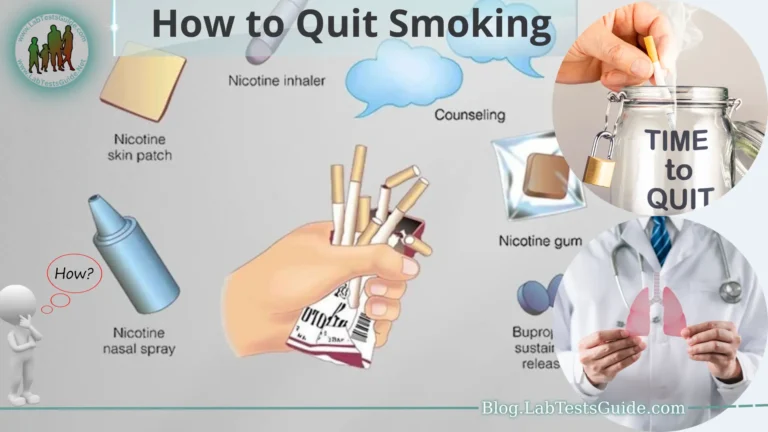
- Substance Abuse: Education on the dangers of substance abuse, including tobacco, alcohol, and illicit drugs, is essential. Adults should be aware of the risks associated with substance use and seek help if struggling with addiction.
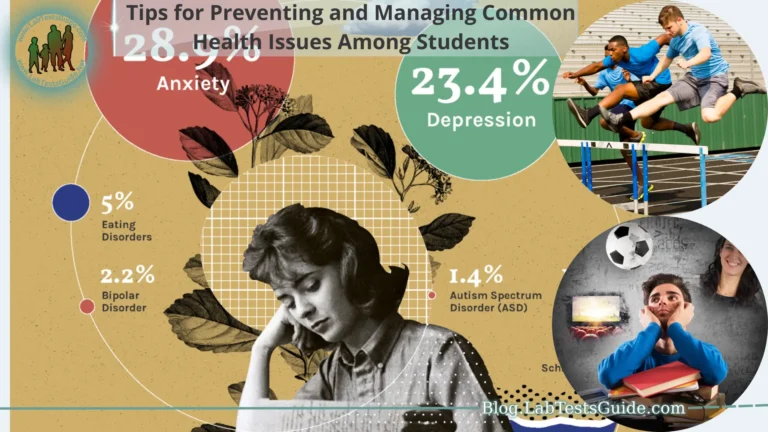
- Mental Health: Promoting mental well-being is crucial. Adults should prioritize self-care, engage in activities they enjoy, seek social support, and be aware of signs of mental health disorders. It’s important to destigmatize mental health issues and seek professional help when necessary.
- Preventive Screenings: Regular health check-ups and screenings are important for early detection of diseases. Adults should adhere to recommended screenings, such as blood pressure, cholesterol, diabetes, cancer, and sexually transmitted infections.
- Sexual Health: Education on safe sex practices, contraception, and sexually transmitted infections is important for adults. Open communication, consent, and regular testing are essential for maintaining sexual health.
- Injury Prevention: Promoting safety measures and precautions can help prevent accidents and injuries. This includes using seat belts, wearing protective gear, practicing safe driving habits, and taking necessary precautions in home and workplace environments.
- Health Literacy: Encouraging adults to improve their health literacy can empower them to make informed decisions about their health. Providing access to reliable health information, teaching critical evaluation skills, and promoting effective communication with healthcare providers are vital aspects of health education.