Exercise and Fitness
 Exercise and fitness are essential components of a healthy lifestyle. They encompass various activities and practices aimed at improving physical health, mental well-being, and overall quality of life. Here are some key aspects of exercise and fitness:
- Physical Activity: Physical activity is any movement of the body that expends energy. It includes activities like walking, running, swimming, cycling, dancing, and sports. Engaging in regular physical activity is crucial for maintaining cardiovascular health, controlling weight, and improving muscular strength and endurance.
- Types of Exercise:
- Aerobic Exercise: This includes activities that increase your heart rate and breathing, like jogging, brisk walking, and aerobics. It helps improve cardiovascular fitness and endurance.
- Strength Training: Strength or resistance training involves lifting weights or using resistance bands to build muscle strength and tone. It’s important for maintaining lean body mass and bone density.
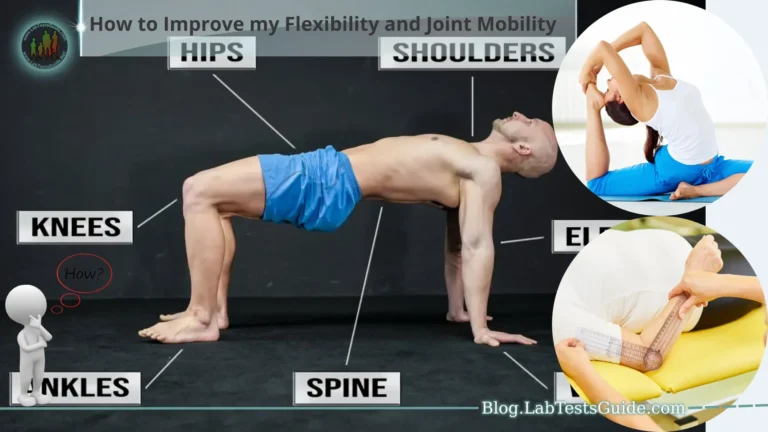
- Flexibility and Mobility: Stretching exercises improve flexibility and joint mobility, reducing the risk of injury and improving overall function.
- Balance and Coordination: Exercises that focus on balance and coordination, such as yoga or tai chi, help enhance stability and prevent falls, especially in older adults.
- Benefits of Exercise:
- Physical Health: Regular exercise can reduce the risk of chronic diseases like heart disease, diabetes, and obesity. It also improves immune function and can increase life expectancy.
- Mental Health: Exercise has a positive impact on mental well-being. It reduces symptoms of depression and anxiety, boosts mood, and enhances cognitive function.
- Weight Management: Combining exercise with a balanced diet is an effective way to control body weight and promote healthy body composition.
- Improved Sleep: Regular physical activity can lead to better sleep quality and help with sleep disorders.
- Fitness Programs: Many people follow structured fitness programs, such as weightlifting routines, aerobic workouts, or interval training, to achieve specific fitness goals. These programs are often tailored to individual fitness levels and objectives.
- Nutrition: Exercise and nutrition go hand in hand. A well-balanced diet provides the necessary nutrients to support physical activity and recovery.
- Hydration: Staying properly hydrated is crucial when exercising. Dehydration can lead to fatigue, cramps, and decreased performance.
- Safety: It’s essential to exercise safely, using proper techniques and equipment to minimize the risk of injury. Always consult with a healthcare professional before starting a new exercise program, especially if you have underlying health conditions.
- Consistency: Consistency is key to reaping the benefits of exercise and maintaining fitness levels over time. Finding activities you enjoy can help you stay motivated.
- Recovery: Adequate rest and recovery are vital for preventing overtraining and injuries. This includes allowing muscles to heal after strenuous workouts and getting enough sleep.
- Fitness Tracking: Many people use fitness trackers and apps to monitor their progress, set goals, and stay motivated. These tools can provide valuable insights into your activity levels and help you stay on track.
Remember that the right exercise routine for you depends on your individual goals, fitness level, and preferences. It’s always a good idea to consult with a healthcare provider or fitness professional to create a personalized plan that aligns with your needs and objectives.